Solve Physics Problems Using Waves Unit 2 Worksheet
Solving physics problems involving waves can be a daunting task, especially for students working through unit 2 worksheets. However, with the right strategies and techniques, these challenges can be overcome. In this article, we'll focus on the key concepts and common pitfalls to help you navigate wave equations with confidence.
Basic Principles of Wave Equations
When it comes to solving wave equations, understanding the fundamental principles is crucial. The wave equation, often represented by the formula y(x,t) = A sin(kx - ωt + φ), describes the behavior of waves over time and space. In the context of unit 2 worksheets, you'll typically be working with waves on a string or in a medium with a specific frequency and amplitude. A common mistake that students make is ignoring the sign of the wave number (k) and angular frequency (ω). However, neglecting these signs can lead to incorrect solutions. To avoid this common pitfall, make sure to carefully examine the direction of wave propagation and the sign of the wave number.
Key Formulas and Techniques
To tackle wave equations effectively, it's essential to have a solid grasp of the necessary formulas and techniques. Here are a few critical concepts to keep in mind: * The general wave equation: y(x,t) = A sin(kx - ωt + φ) * The velocity of a wave: v = λf, where λ is the wavelength and f is the frequency * The wave number (k): k = 2π/λ, where λ is the wavelength * The angular frequency (ω): ω = 2πf, where f is the frequency By mastering these formulas and techniques, you'll be able to approach wave equations with confidence and precision.Common Pitfalls to Avoid
Despite the importance of wave equations in physics, many students struggle with these calculations. Some common mistakes include: * Ignoring the sign of the wave number (k) and angular frequency (ω) * Failing to account for boundary conditions and initial conditions * Using the wrong formulas or techniques for a given problem By being aware of these common pitfalls, you'll be more likely to avoid these mistakes and arrive at accurate solutions.Strategies for Success
Real-World Applications of Wave Equations
While solving wave equations may seem like a purely theoretical exercise, it has far-reaching implications in many fields of study. Some notable applications of wave equations include:
* **Seismology**: By analyzing the wave patterns produced by earthquakes, scientists can gain insights into the Earth's internal structure and composition.
* **Acoustics**: Understanding wave equations is crucial for designing efficient speakers, microphones, and other audio equipment.
* **Electromagnetism**: Wave equations play a central role in understanding the behavior of electromagnetic waves, including light and radio waves.
These applications highlight the significance of mastering wave equations and provide a glimpse into the broader scope of physics.
Final Tips for Success
To excel in solving physics problems involving waves, remember to:
* Understand the underlying concepts and formulas
* Be mindful of common pitfalls and mistakes
* Practice regularly to develop problem-solving skills
* Seek help when needed, whether from teachers, peers, or online resources
By adhering to these tips and staying focused on your goals, you'll be well on your way to mastering wave equations and acing unit 2 worksheets.
Example Problem
Consider a wave equation with an initial displacement of 5 meters and an angular frequency of 10 rad/s. If the equation describes a wave traveling at a speed of 20 meters per second, what is the wavelength of the wave?
To solve this problem, you would use the formula λ = v/f and plug in the given values.
* Calculate the frequency of the wave: f = ω/2π = (10 rad/s) / (2π) ≈ 1.59 Hz
* Calculate the wavelength of the wave: λ = v/f ≈ (20 m/s) / (1.59 Hz) ≈ 12.62 m
The solution yields a wavelength of approximately 12.62 meters.

Unlock Inequalities: Your Easy Guide
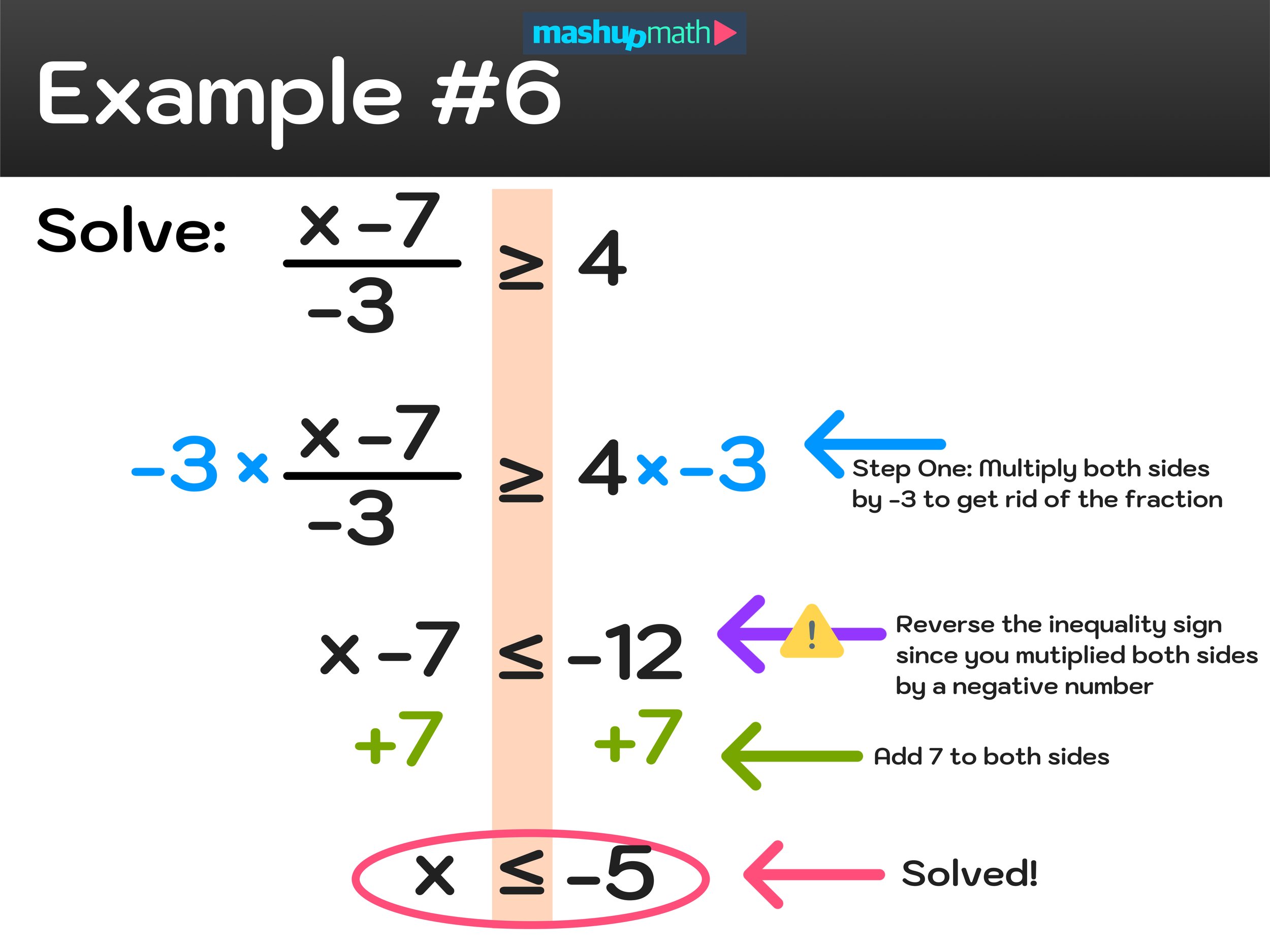
Unlock Inequalities: Your Easy Guide
How To Solve Inequalities—Step-by-Step Examples And Tutorial — Mashup Math

How to Solve Inequalities—Step-by-Step Examples and Tutorial — Mashup Math
Tricky Math Problems For Kids | Tricky Math Riddles – GMLYP
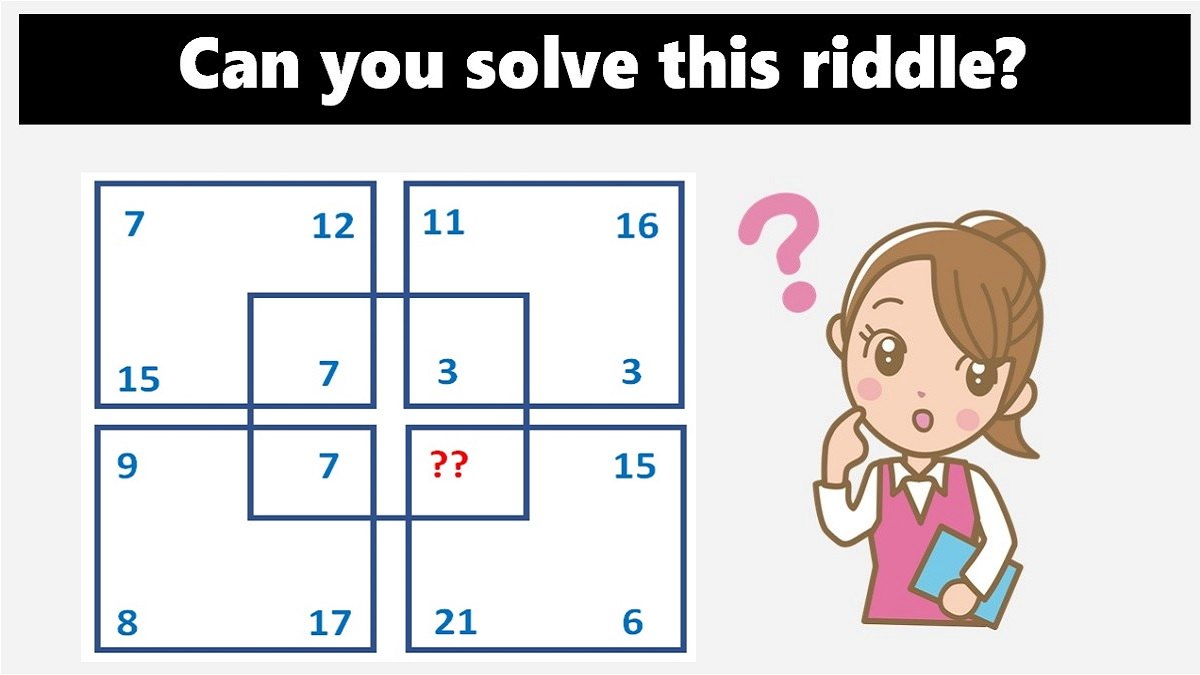
Tricky Math Problems For Kids | Tricky Math Riddles – GMLYP
Image Gallery: Solve Physics Problems Using Waves Unit 2 Worksheet






Frequently Asked Questions (FAQ)
Q: Solve Physics Problems Using Waves Unit 2 Worksheetの最新情報や概要はどうなっていますか?
A: 当サイトでは、Solve Physics Problems Using Waves Unit 2 Worksheetに関する信頼性の高いデータや最新情報を集約し、わかりやすくお届けしています。
Q: Solve Physics Problems Using Waves Unit 2 Worksheetが注目されている理由は何ですか?
A: 最近の動向や関連メディアの更新に伴い、Solve Physics Problems Using Waves Unit 2 Worksheetに対する関心が急速に高まっています。
Q: Solve Physics Problems Using Waves Unit 2 Worksheetの関連データや詳細情報はどこで確認できますか?
A: 本ページ内の各セクションや関連トピック一覧から、より詳しい情報を確認いただけます。
